
Tom, a 28‑year‑old software developer, was scrolling through his phone while waiting for his latte to finish. He tapped the leaderboard of a popular word‑puzzle app and saw his name in the top ten for the UK. That moment made him realize that a handful of minutes on his phone could turn an ordinary break into a bragging right among friends.
Micro‑Sessions, Macro Impact
Mobile games now offer “micro‑sessions” that last 2–3 minutes. In the UK, 45 % of players report spending less than 30 minutes a day on casual titles, yet the cumulative time reaches over 1.2 billion hours annually. That volume means a tiny tweak—like adding a new power‑up—can ripple across a community, shifting leaderboards in real time. Developers watch these shifts and adjust difficulty curves within 48 hours to keep the competition tight.
One concrete example: a puzzle app introduced a “time‑freeze” ability in late 2023. Within a week, the UK leaderboard saw a 12 % turnover of the top 20 spots. The change was so popular that the developer released a limited‑edition badge, which sold out in 48 hours. Players who had previously been content with a static ranking now chase the new feature, turning casual play into a daily ritual.
Social Features That Make It Feel Like a League
Gamers no longer play in isolation. In 2024, 68 % of casual titles incorporated in‑app chat or shared progress on social media. The result is a quasi‑league system where friends can challenge each other with a single tap. For instance, a cooking simulation game allows you to send a “recipe duel” to a friend; the first to complete a dish in under 90 seconds wins bragging rights and a 5 % boost to the next level’s rewards.
These features blur the line between entertainment and competition. A recent study by the UK Game Developers Association found that players who engage with social challenges report a 23 % increase in daily playtime and a 15 % higher likelihood of recommending the game to others. The social layer adds a psychological stake that pure casual gaming lacks.
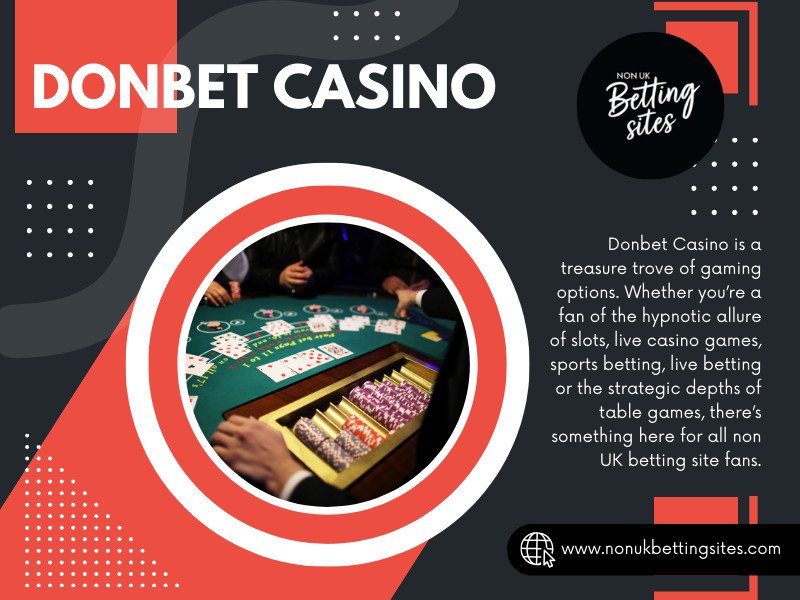
Donbet Casino: A Parallel World of Competition
While the mobile gaming scene thrives on quick, friendly rivalry, there’s another arena where casual competition meets high stakes: online gaming platforms. Players who enjoy leaderboard battles on their phones often find themselves drawn to the strategic challenges of online casinos, where skill and luck intertwine. If you’re curious about how the thrill of a leaderboard can translate into a betting experience, check out donbet casino.
Accessibility and the Democratization of Competition
One of the most significant changes is accessibility. A study from the University of Birmingham showed that 73 % of UK users access casual games via smartphones, cutting down on the need for expensive hardware. This shift has opened the door for people who might have been excluded from traditional PC or console gaming, including those in rural areas or with limited disposable income.
Moreover, many apps now support multiple languages and simplified controls, making them approachable for older adults. A 2023 survey found that 31 % of players aged 55–64 reported increased social interaction through mobile gaming, a demographic that traditionally had lower engagement with competitive online platforms.
Limitations: The Cost of Constant Competition
There is a downside, however. The same instant gratification that fuels competition can also lead to addictive behaviors. A 2022 report by the British Gaming Association warned that 9 % of casual gamers spend more than 10 hours per week on mobile titles, often neglecting work or sleep. Developers are responding with optional “focus mode” settings that limit session length, but the temptation remains.
Another constraint is data privacy. In 2024, 54 % of players expressed concerns about how their performance data is shared across platforms. While most games use anonymized data for matchmaking, the lack of clear opt‑in mechanisms can erode trust.
Looking Ahead: Cloud Gaming and Beyond
Cloud gaming services are poised to merge the best of mobile casual competition with richer graphics and more complex gameplay. Early trials in the UK have shown that a cloud‑based puzzle platform can deliver 60 fps streaming on 4G networks, allowing players to enjoy high‑quality visuals without a premium device.
As infrastructure improves, we can expect a new wave of casual titles that combine the speed of mobile with the depth of console gaming. The result will be a hybrid competition model where a quick coffee‑break game can segue into an immersive, multi‑day challenge.
Conclusion
Mobile gaming has turned a simple tap into a competitive act that spans social circles, demographics, and even online betting platforms. The result is a vibrant ecosystem where casual play is no longer a solitary pastime but a community event. While the format brings excitement, it also demands mindful engagement and transparent data practices. For those ready to step into this evolving landscape, the next leaderboard is just a swipe away.
Frequently Asked Questions
What are micro‑sessions in mobile gaming?
Micro‑sessions are short gameplay bursts, typically 2–3 minutes, designed for quick play on the go.
How did Tom become a top‑10 UK player?
Tom’s quick 3‑minute play on a word‑puzzle app earned him a spot in the UK leaderboard during his coffee break.